Guide To PPF
PPF in Eastbourne: A Straight Guide to Paint Protection Film
How long does PPF last?
It depends on the film, coverage areas, and how the car is maintained. With correct care, PPF is designed for long-term protection.
Will PPF yellow?
Quality film installed and maintained correctly is designed to stay clear. Poor-quality film and harsh maintenance are the usual causes of discolouration.
Can PPF be removed?
Yes. When removed correctly, it’s designed to come off without damaging factory paint.
Does PPF hide existing scratches?
Do you need paint correction before PPF?
How long does installation take?
It depends on coverage and the vehicle. We’ll confirm realistic timescales during consultation.
Is PPF worth it on a daily driver?
If you care about keeping the front end tidy and reducing chips, yes—targeted coverage is often the best value.
Can I wash the car straight after PPF?
Avoid washing immediately. We’ll give you clear aftercare guidance based on the film and conditions.
A Straight Guide to Paint Protection Film
What is PPF (Paint Protection Film)?
What PPF protects against (and what it doesn’t)
- Stone chips and road rash
- Light scratches and wash marring
- Bug splatter and bird mess (easier clean-up)
- Coastal grit and winter road contamination
- Repair existing chips, deep scratches, or dents
- Hide poor paintwork or low-quality resprays
- Make a neglected car “perfect” without proper paint preparation
Key benefits of PPF
- Chip resistance where it matters most High-impact areas like the bumper, bonnet edge, and mirrors take the brunt of daily driving.
- Self-healing technology (on many modern films) Light marks can soften and disappear with heat (including warm water or sunlight).
- Easier maintenance Dirt and residue don’t bond as aggressively, so washing is simpler and safer.
- Preserves the look and value of the vehicle Keeping the front end tidy makes a noticeable difference over time.
- Coverage can be tailored to your budget You don’t have to go full body to get real benefit.
- Finish options Depending on the film, you can keep a factory gloss look or choose a matte/satin style.
- Long service life when cared for properly PPF is built for long-term protection, not a short-term shine.
PPF coverage options (what most people actually need)
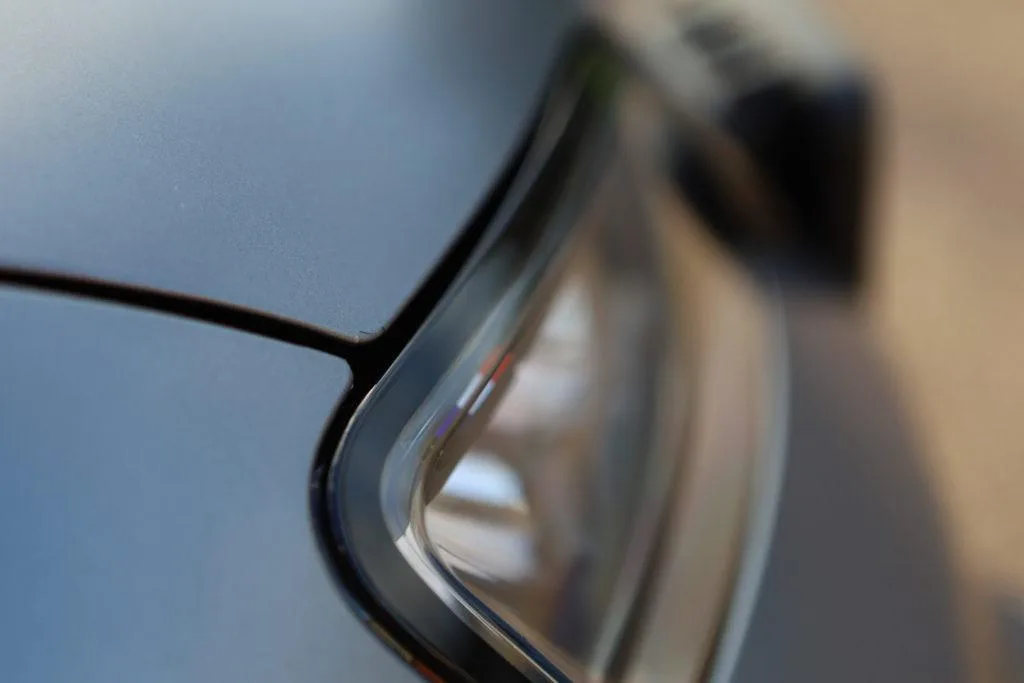
- Front bumper
- Bonnet
- Front wings
- Mirrors
- A-pillars
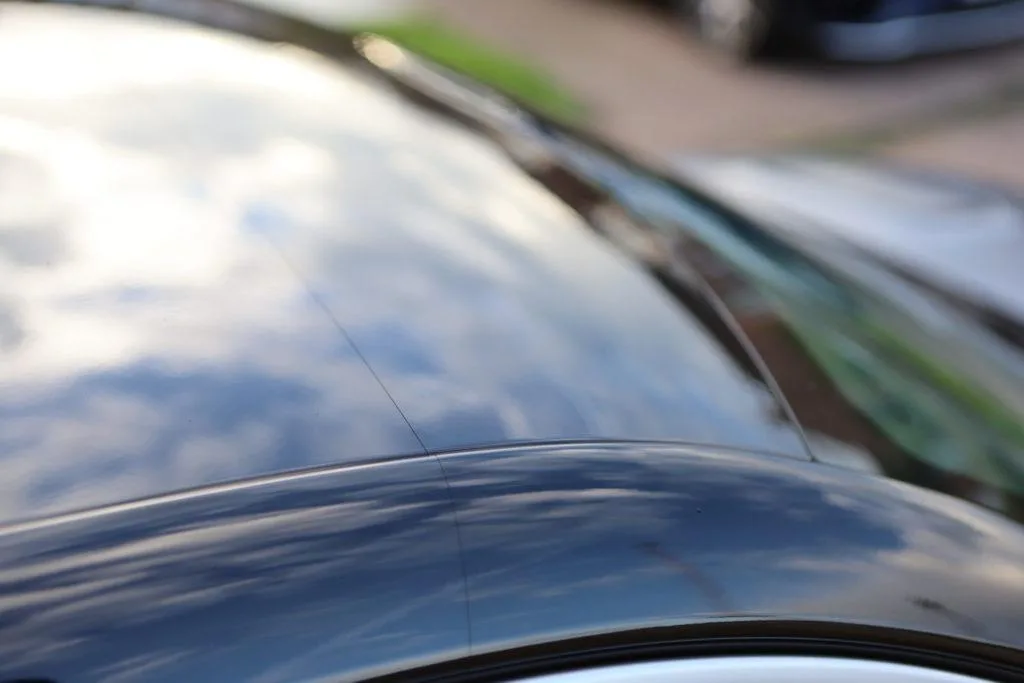
- Leading roof edge
- Side skirts/sills (vehicle dependent)
Ideal for performance cars, wider tyres, or cars that see higher speeds.
Full body PPF
Maximum protection for owners who want the whole car covered. Best suited to high-value vehicles, darker colours, and anyone who wants to keep the paint as close to “as delivered” as possible.
Optional add-ons
- Front/rear lights
- Door cups and loading areas
- Piano black trims
Gloss vs matte vs satin PPF
How PPF installation works (studio-based, done properly)
- Vehicle inspection and honest recommendations
- Safe wash and decontamination
- Paint preparation/polishing where required
- Panel wipe-down before film application
- Film installation and edge finishing
- Final checks and aftercare guidance
PPF aftercare (what to do after installation)
- Avoid automated car washes
- Avoid aggressive pressure washing directly at edges
- If the car gets wet, don’t panic—just avoid heavy washing until it has settled
Ongoing washing
- Use a safe wash method (two-bucket or similar)
- Avoid harsh chemicals and abrasive sponges
- Dry with clean microfibres to reduce marring
Bugs and bird mess
PPF vs ceramic coating (and when to combine them)
- PPF helps protect against impact and abrasion (chips, light scratches)
- Ceramic coating improves chemical resistance and makes cleaning easier